A clearer picture of your health
Blood tests can help answer specific questions about your health. Choosing the right tests and understanding the results are both part of a useful assessment.
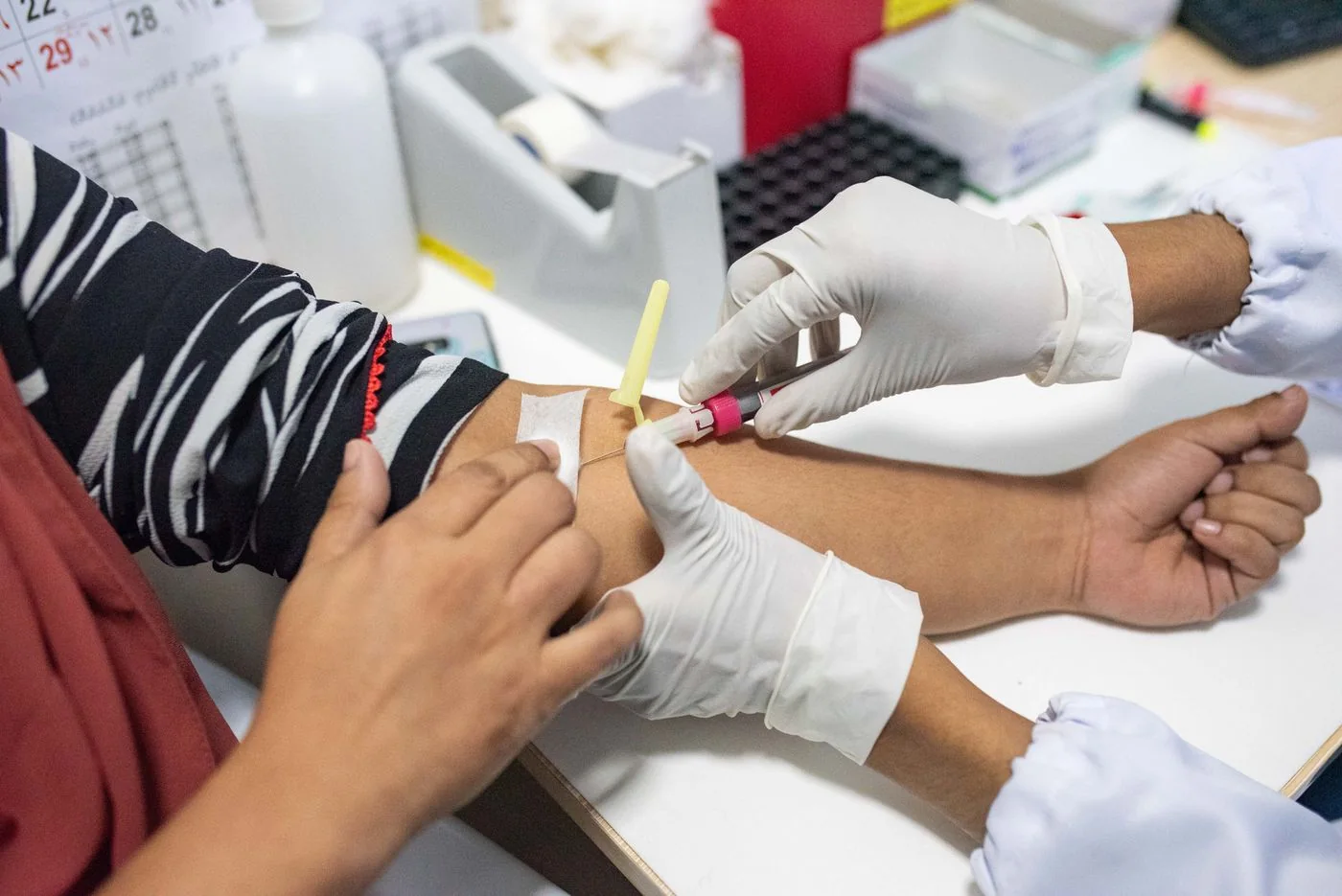 Illustrative care · Pexels
Blood Tests
A blood sample can provide information about blood cells and substances such as glucose. Different tests answer different questions, so symptoms, medical history and previous results help guide the choice.
A complete blood count looks at red cells, white cells and platelets; HbA1c reflects average blood glucose over roughly three months. These are general examples, not a clinic package. Results are most useful when explained alongside your history, with a clear next step if further assessment is needed.
What the experience may involve
Choose relevant tests
Discuss the reason for testing and any previous results with the clinician.
Prepare and provide a sample
Preparation varies by test. A trained professional collects the sample, usually from a vein in the arm.
Understand the results
Review the findings in context and clarify whether further tests or follow-up would be useful.
Questions about
Blood Tests
Is fasting always required?
No. Preparation depends on the particular test.
Does an out-of-range result mean illness?
Not necessarily. Symptoms and other health information provide context.
When will I receive the results?
Timing varies by test and laboratory. Confirm the expected turnaround and how results will be explained before arranging a test.
Care notes
Blood collection may cause pain, bruising or light-headedness. Medicines and food can affect some tests. Do not stop prescribed medicines on your own to prepare.