Hair
Considered in the context of hair-loss cause and scalp condition.
PRP uses a portion of your own blood with a higher concentration of platelets. It is considered for different hair, skin and joint concerns, each with its own evidence and limitations.
 Illustrative care · Pexels
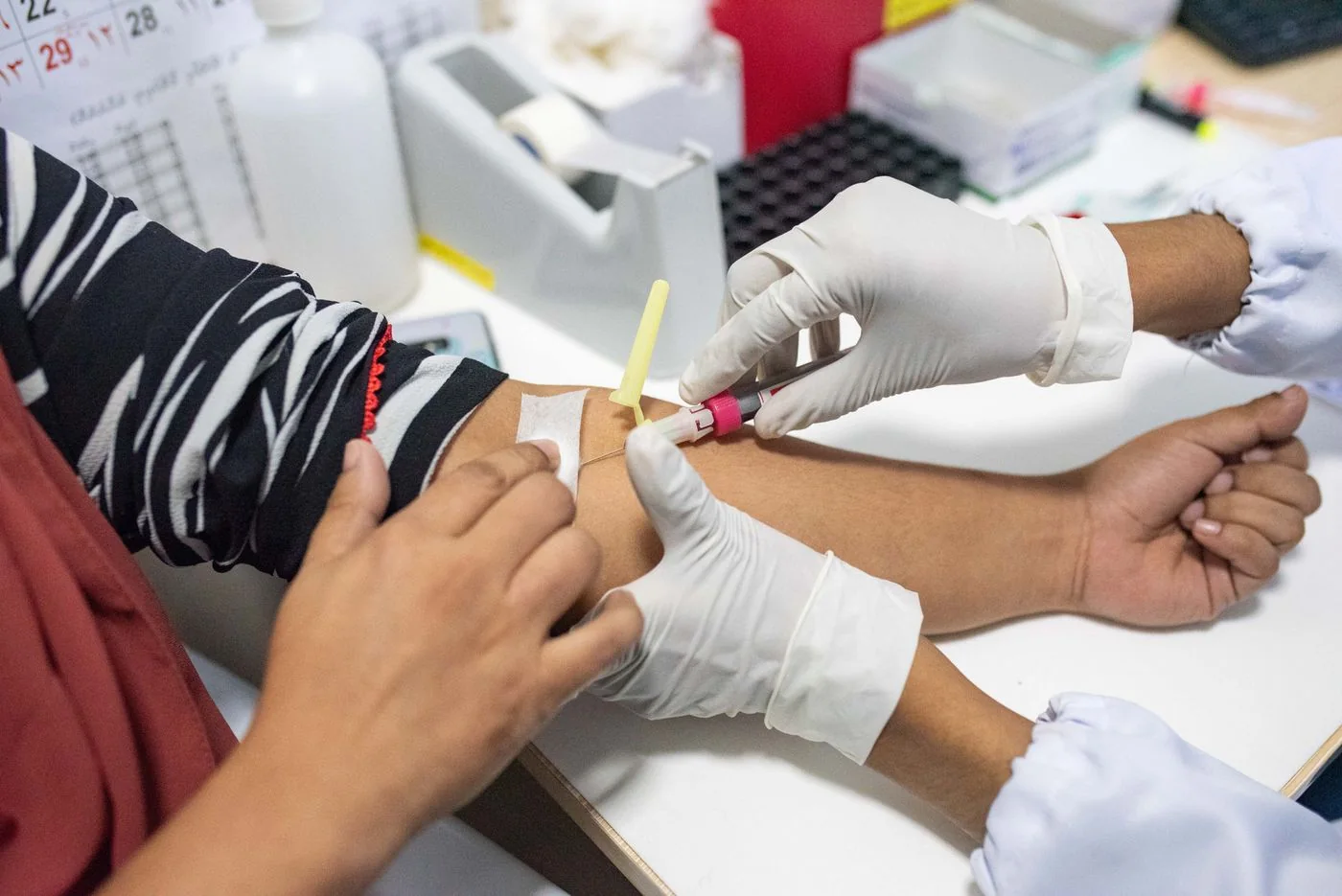
Platelets contain proteins involved in the body’s healing response. PRP is prepared by collecting blood and separating its components, usually with a centrifuge, before applying or injecting the platelet-rich portion in the relevant area.
Your reason for considering PRP matters. Hair thinning calls for a scalp assessment; a skin concern or painful joint needs a different evaluation. Expected benefit, session planning and recovery should relate to that particular concern, rather than a promise of general rejuvenation.
Considered in the context of hair-loss cause and scalp condition.
Skin applications have a different evidence base from hair and joints.
Evidence needs to be considered for the particular joint and condition.
A consultation explores your concern, previous care and medicines that may affect bleeding.
If PRP is appropriate, the clinician explains blood collection, preparation and the method for the intended area.
Aftercare and review are tailored to the area treated and your response.
No. PRP is prepared from your own blood; fillers are materials used to add volume.
There is no universal session count across indications. Planning depends on the condition and response.
Pain, swelling or bruising can occur. Aftercare depends on the area treated.
Evidence and outcomes vary by indication. Using one’s own blood still involves risks from blood collection and injection, including infection. Blood disorders and medicines affecting clotting need assessment.