Pigment and marks
The type of mark and skin tone influence the approach.
Lasers use controlled light to target structures such as pigment or hair follicles. The right approach starts with your concern, skin tone and the area you would like to treat.
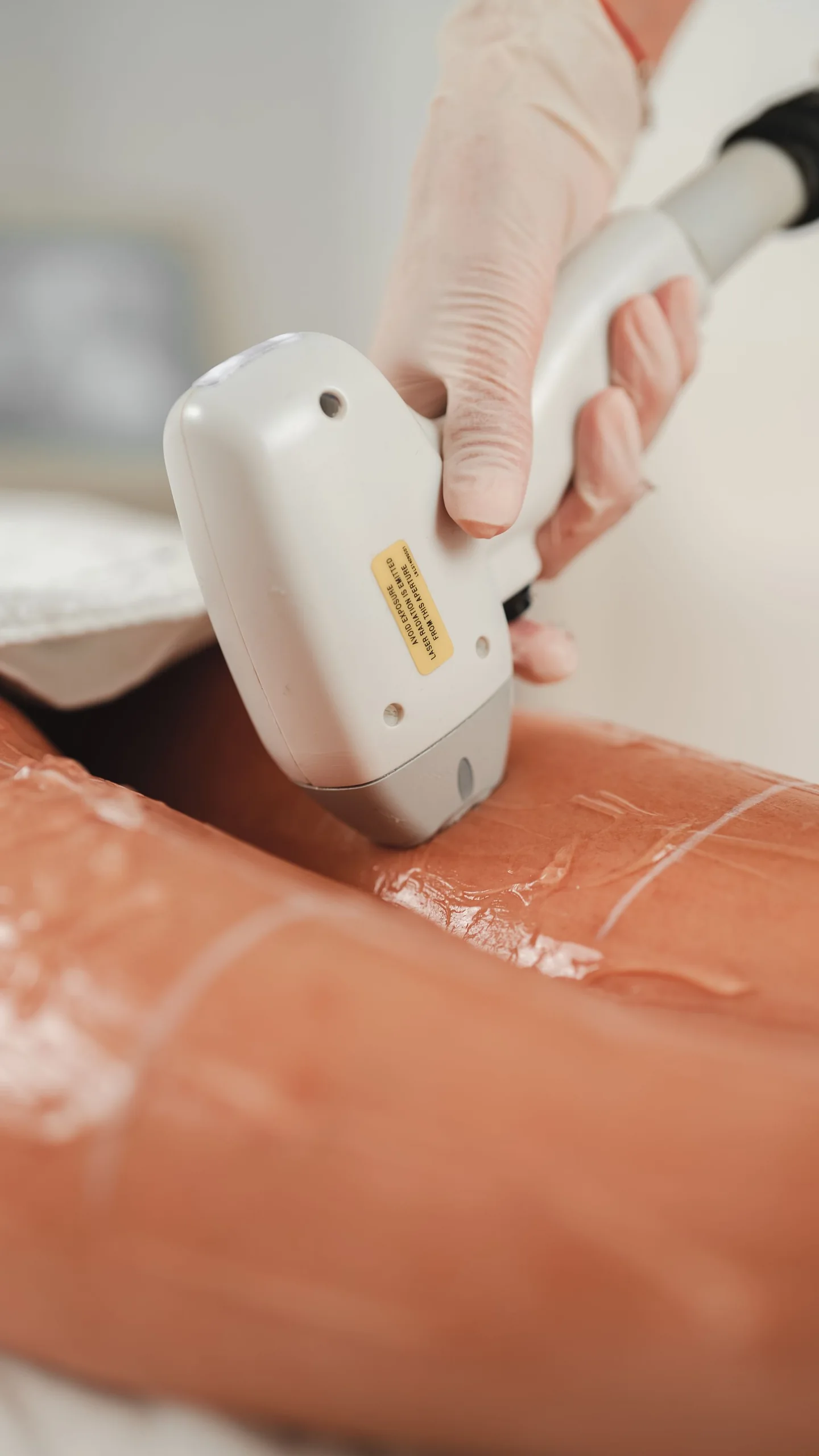 Illustrative care · Pexels
Pigment treatment, skin resurfacing and hair reduction use different wavelengths and settings. A consultation helps distinguish the cause of a mark, the texture concern or the hair-growth pattern before discussing a device.
For hair reduction, growth cycles mean a course of visits is often considered. Skin treatments can involve different recovery periods. Your skin tone, recent sun exposure and medicines help guide planning, together with your schedule and expectations.
The type of mark and skin tone influence the approach.
Treatment depth is related to recovery.
Hair-growth cycles influence session planning.
Review your concern, skin history, recent tanning and medicines with the clinician.
Discuss the chosen device, preparation, eye protection and what sensations to expect.
Sun care, recovery instructions and review timing depend on the treatment used.
Yes. Skin tone influences device choice and settings.
Hair growth cycles usually mean several sessions are considered. A single session cannot guarantee permanent removal.
It varies with laser type and intensity. Redness and swelling may occur; some methods require longer healing.
Burns, pigment changes and scarring are possible. Eye protection and sun care matter. Photosensitising medicines and active skin infections need assessment before treatment.